Albert Sorby Buxton
The Biographer of the Town
A short history of artist and local historian A. S. Buxton
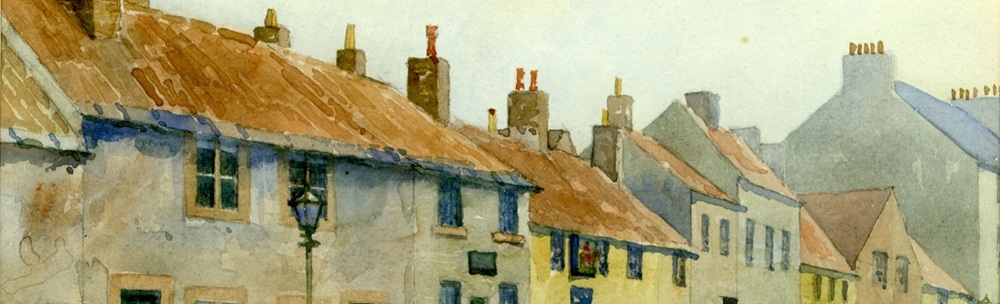
Albert Sorby Buxton was born in Mansfield in 1867. His family owned a draper’s shop at number 6, Market Place, and Albert was born in the accommodation above the shop. His father Thomas was from Ashbourne, and was 41 years old when Albert was born, while his mother Lucy hailed from Sheffield and was 28 at the time of his birth.
The Buxtons’ business was quite successful, and the family was part of the relatively wealthy urban middle class. Albert attended Queen Elizabeth’s Grammar School as a youth. On top of this formal education, he also took classes at the Art School, which had been established in 1871, as part of the Mechanics Institute. His teacher there, J. Seddon Tyrer, was known for painting detailed townscapes, and this was a genre at which Albert would excel.
After a period as an apprentice to architects Vallance and Westwick, Albert went to London to continue his training as an artist. He studied at The Slade School of University College London, under French artist Alphonse Legros.

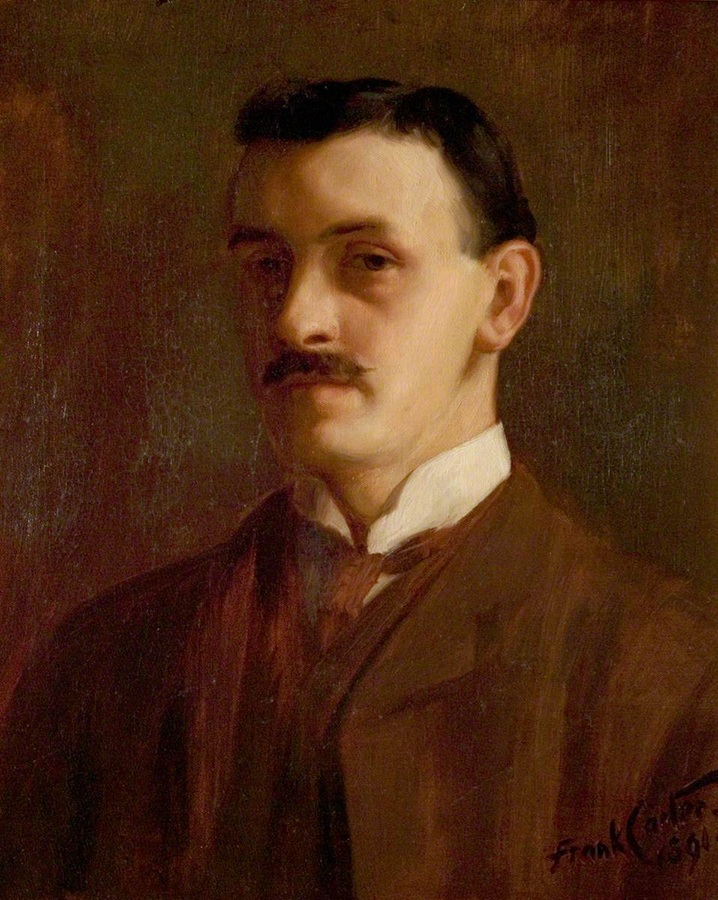
Portrait of A. S. Buxton by Frank Carter, 1891
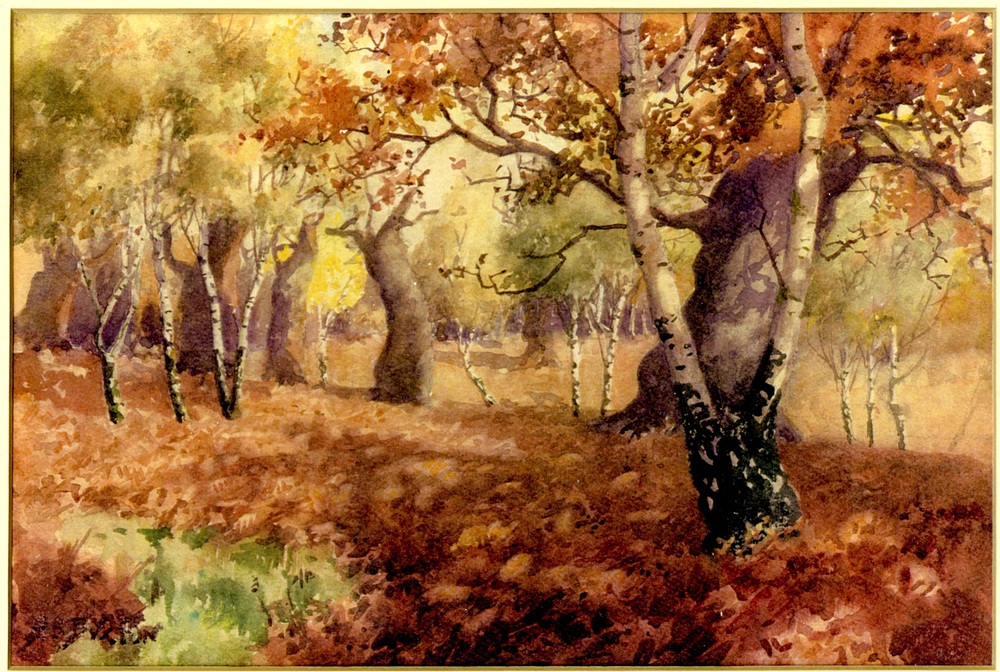
A Scene in Sherwood Forest, by A. S. Buxton
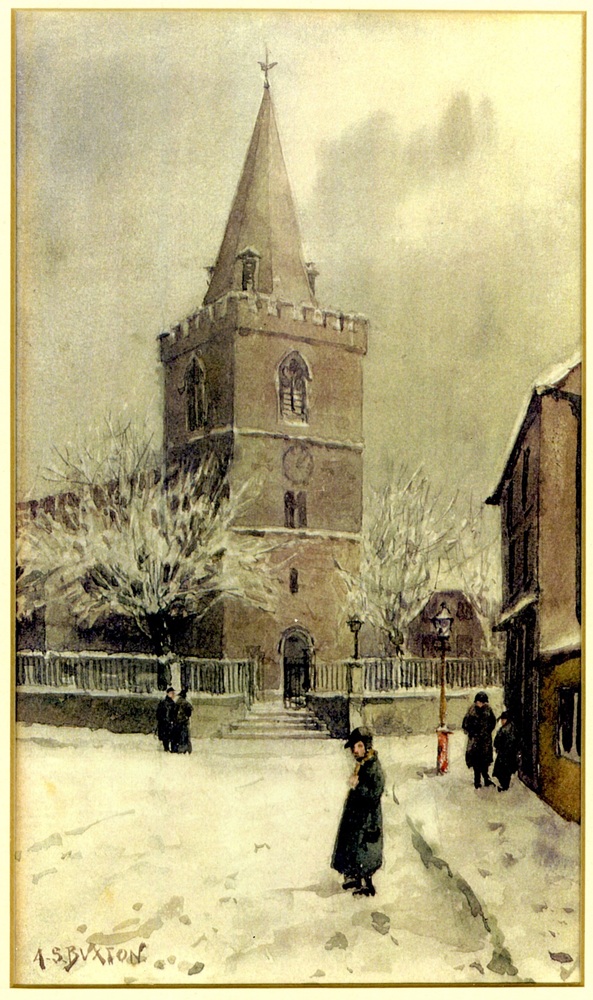
St Peter's Church in the Snow, by A. S. Buxton
Albert returned to Mansfield in the early 1890s and took up a teaching position at the Grammar School where he had been a pupil. He continued teaching there until the early 1920s. When F. Sherwood, the headmaster of the Art School, retired in the 1890s, Buxton was also appointed to that position.
In 1904, at the age of 38, Alberty married Emily Stendall, headmistress of Rosemary Street School. Their wedding was at St Pancras Church in London, but they set up home at ‘Ravenscroft’ on Crow Hill, Mansfield. This was also the year in which the ‘Tin Tabernacle', Mansfield’s first museum, opened and the foundation was laid for Mansfield Public Library. The Buxtons were deeply involved in the cultural and social life of the town throughout their lives.
Albert’s interests were many and varied. He played the violin and was one of the founder members of the Mansfield Amateur Operatic Society. He and Emily were also involved in the early stages of the Westfield Folk House. Additionally, Albert was a keen golfer, and an early convert to the joys of motoring. He was also an antiquarian, fascinated by the history of the area and interested in collecting tales of local traditions, folklore, and history. In 1918 he was elected as the first secretary of the newly-formed Old Mansfield Society. He also designed the town’s war memorial, which was initially erected in Carr Bank Park in 1926. (In 1993 it was repaired and moved to Chesterfield Road South, near the Civic Centre.)

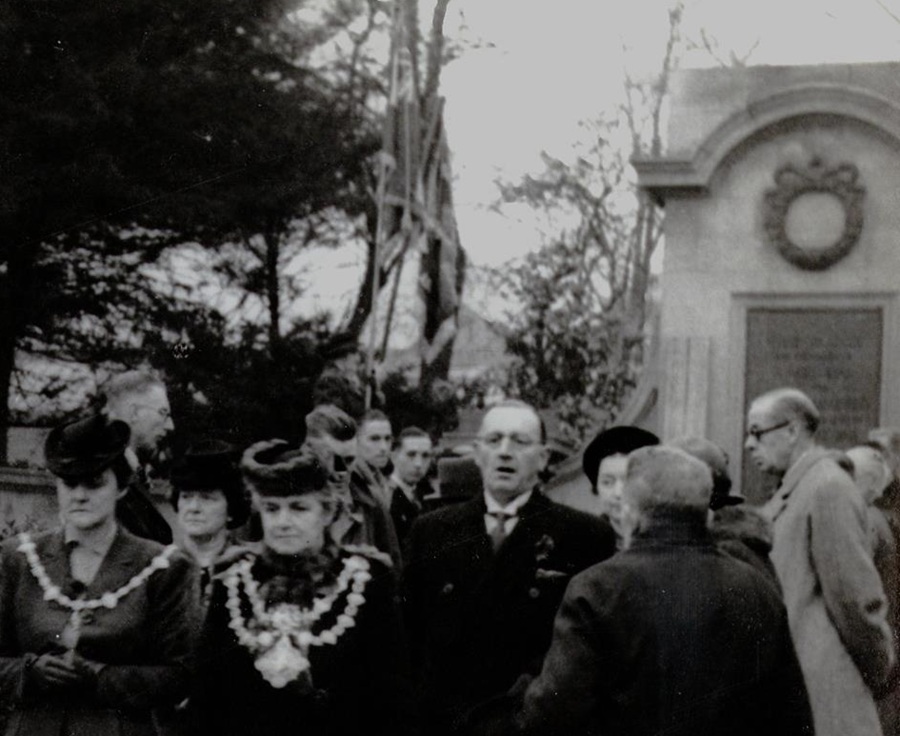
The mayor Ethel Wainwright at the Armistice Day service in 1929, by Mansfield war memorial in Carr Bank Park
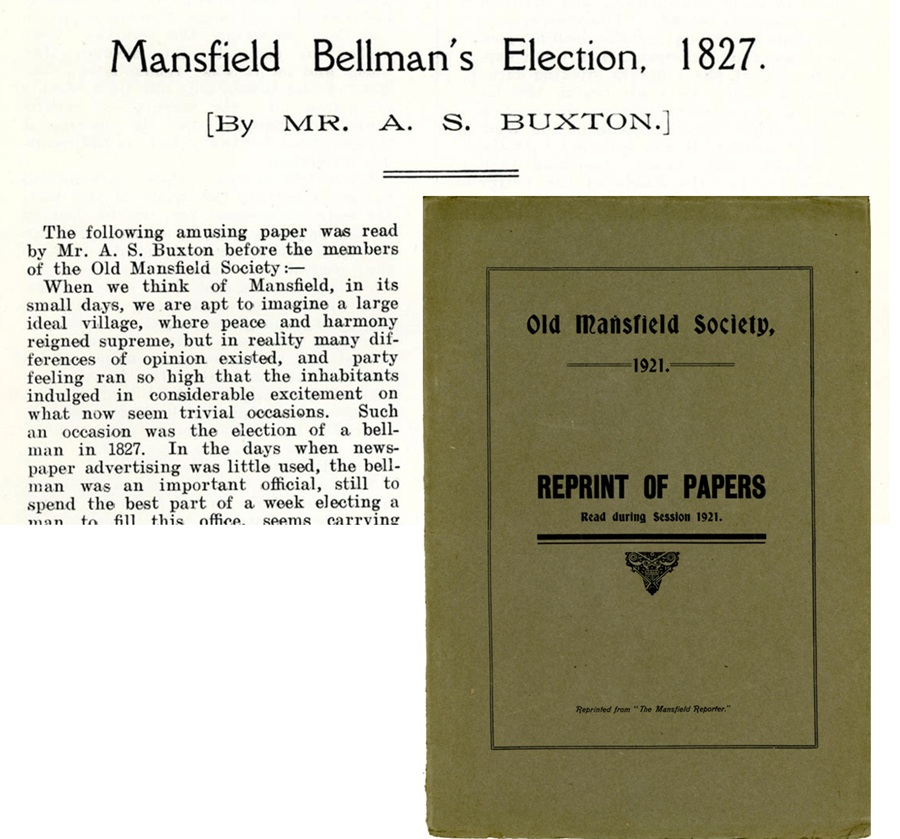
Example of the early activity of the Old Mansfield Society
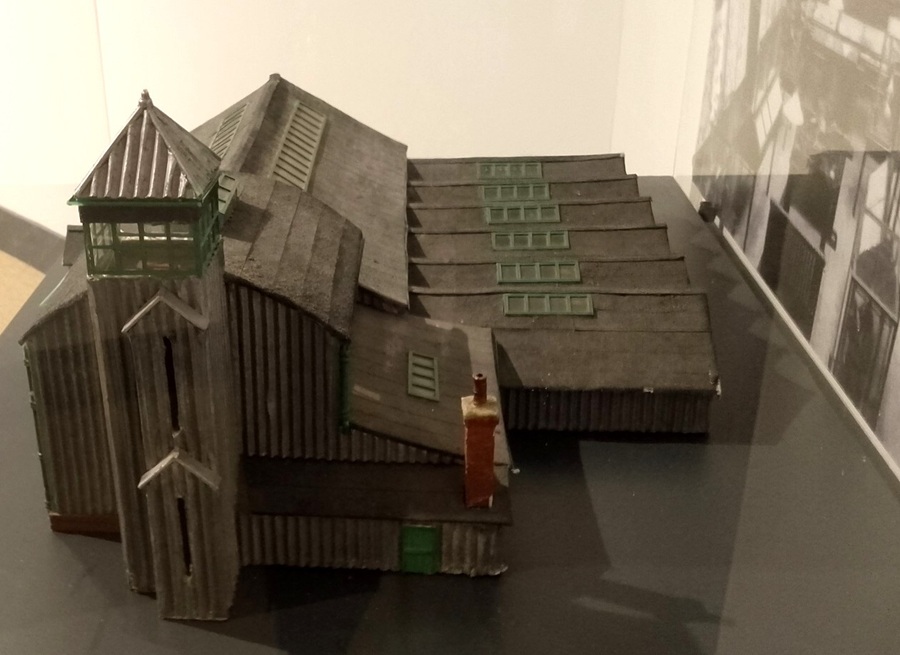
Model of the 'Tin Tabernacle', the first building to house Mansfield Museum, made by A. S. Buxton
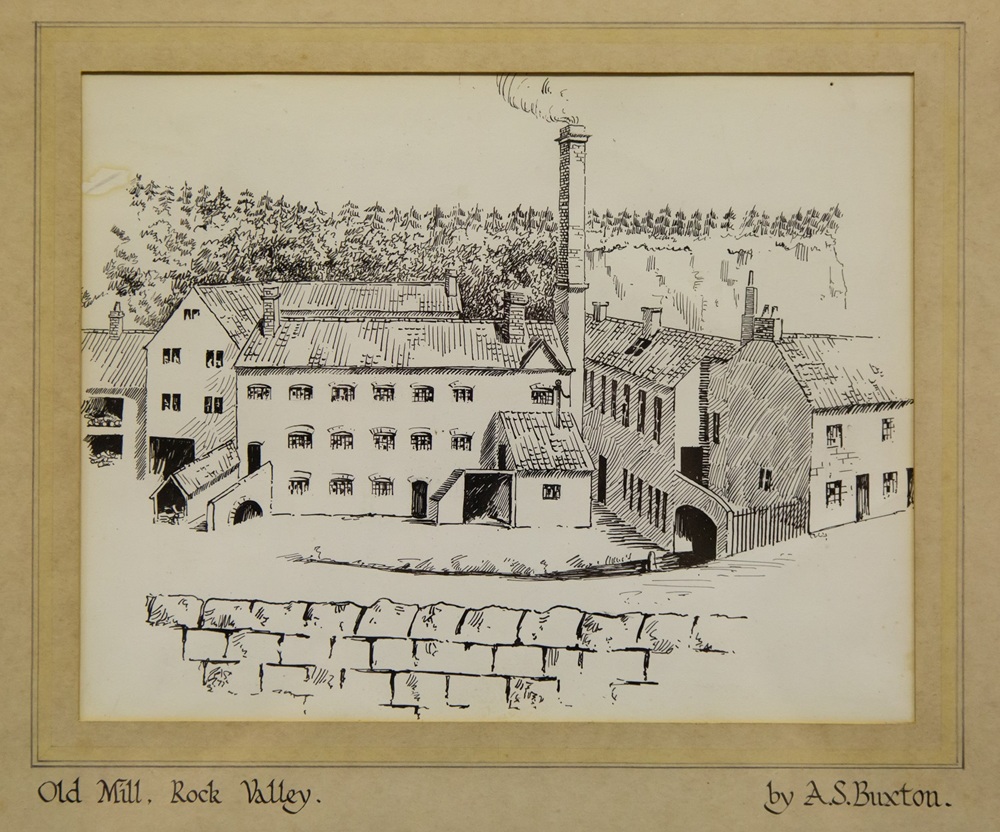
His main method for recording and capturing the history of Mansfield, however, was through art. He was a prolific painter and sketcher, producing hundreds of drawings and watercolours of buildings and street scenes. These often represent the Mansfield of his youth, recording details the town and its way of life before the rapid industrialisation of the late 19th and early 20th centuries. These illustrations are what he is most famous for, but Buxton was also talented in other media. He was a keen photographer and founder member of the Mansfield Photographic Society, and he also built intricate models of parts of the old town.

Line drawing of Old Mill, Rock Valley, by A. S. Buxton
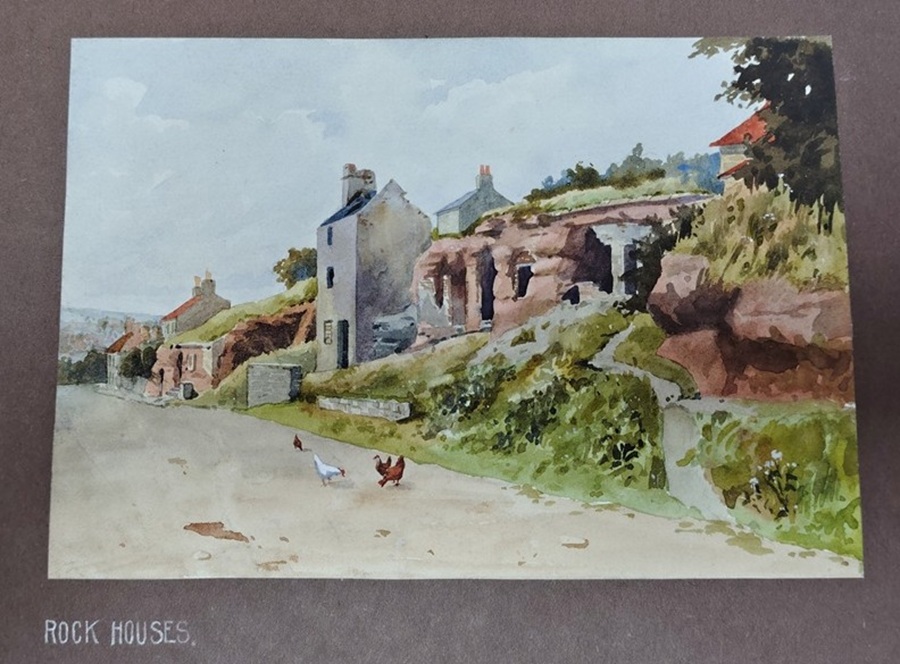
Rock Houses, by A. S. Buxton
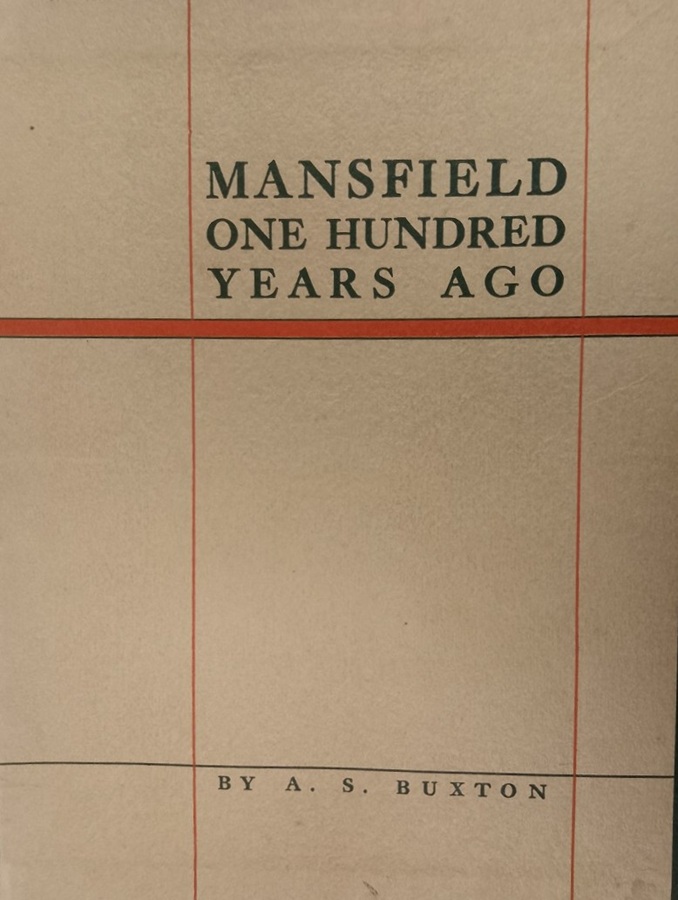
Albert combined his artworks with his great knowledge of history in his two published books. The first, “Mansfield One Hundred Years Ago”, was published in 1923, to mark the centenary of the Mansfield Improvement Act. “Mansfield in the Eighteenth Century” was published posthumously in 1933.
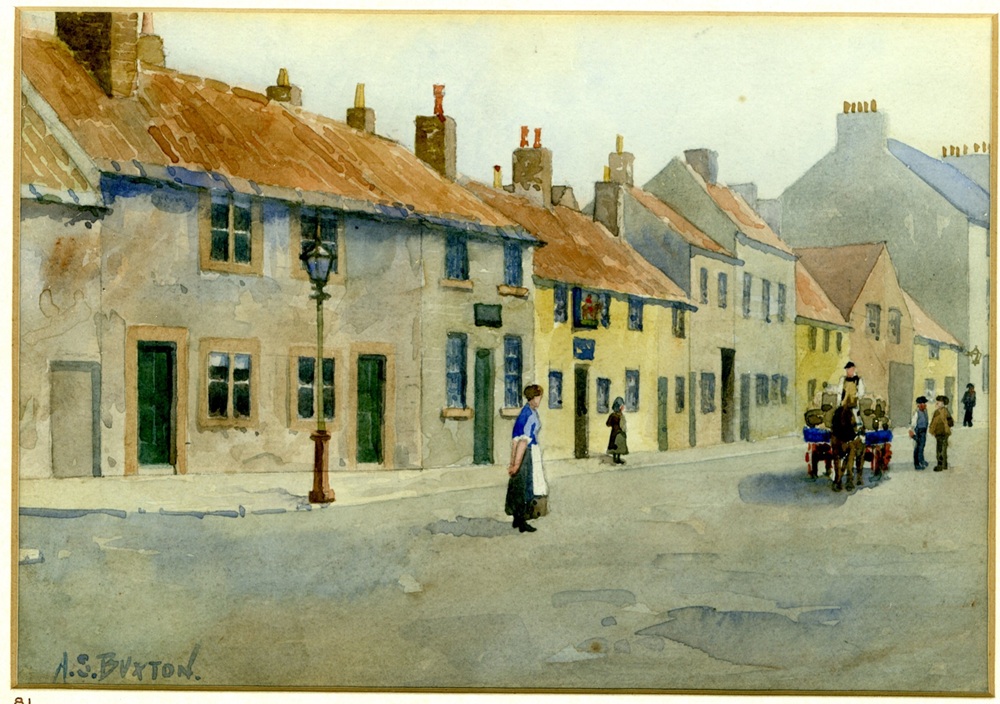
Leeming Street, by A. S. Buxton
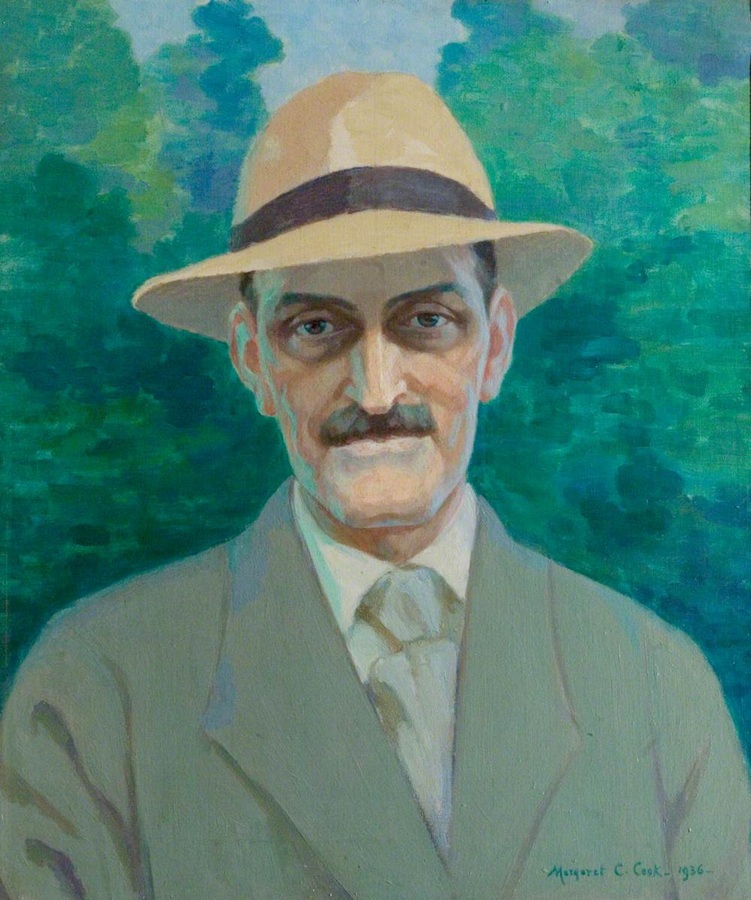
Albert Sorby Buxton died in December 1932, at the age of 65. Following his wishes, many of his papers were donated to the town library, and it was understood that his paintings would be gifted to the museum. His widow Emily confirmed this but added the stipulation that it wouldn’t happen until the deteriorating and leaky ‘Tin Tabernacle’ was replaced by a new, permanent museum building. The building which still houses the museum today was duly constructed, opening in 1938. Emily donated over 130 of Albert’s paintings, which form the basis of the museum’s wonderful and unique collection of Buxton’s record of the history and biography of Mansfield.

Posthumous portrait of A. S. Buxton, by M. C. Cook, 1936
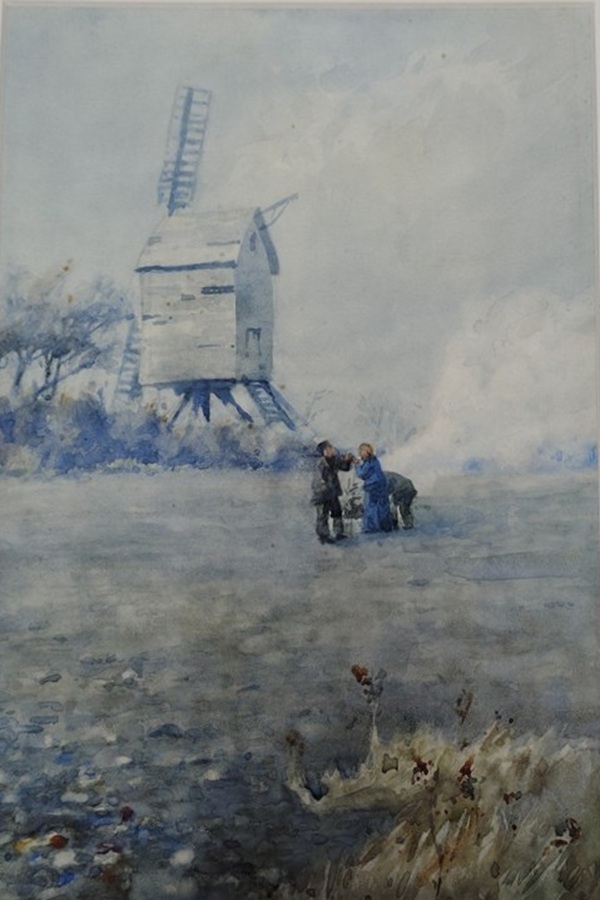
Windmill, by A. S. Buxton
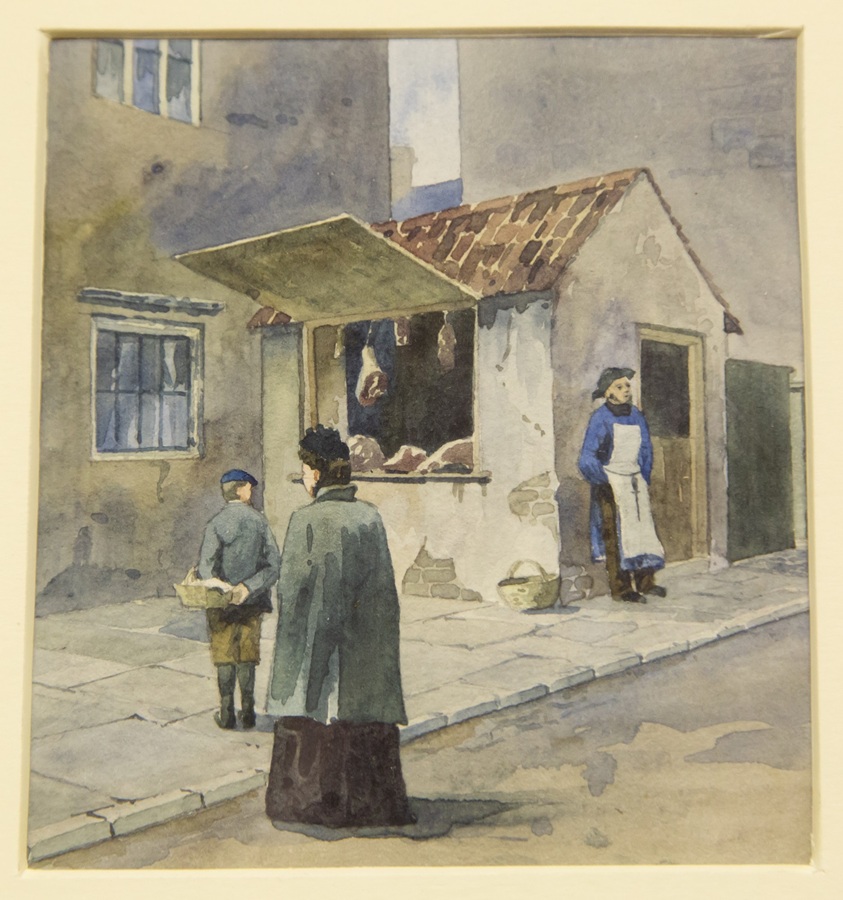
Butcher Shop, Stockwell Gate 1903, by A. S. Buxton
Mansfield Museum still holds an important collection of artworks, models, and other items by A. S. Buxton.
We are currently in the process of getting the artworks digitised. You will soon be able to see more of them in our online gallery
