William Billingsley

The Painter of Flowers

A short history of porcelain painter William Billingsley

Detail of a painted porcelain saucer

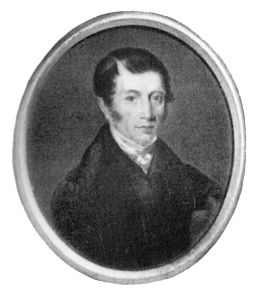
Black and white portrait painting of William Billingsley

William Billingsley was born in Derby in 1758. His father was a porcelain painter and had a studio in the family house’s attic, as well as a kiln in the basement.

In 1774, at 16 years old, William joined the Derby China Works as an apprentice. He became extremely talented at decorating porcelain items, both by painting and by gilding with gold leaf. He developed his own technique for painted decoration, where he wiped away areas of paint to give more realistic shading. This was particularly effective for paintings of flowers, and Billingsley became famous for his floral decorations. In 1790 he was promoted to being the chief flower painter for the factory.

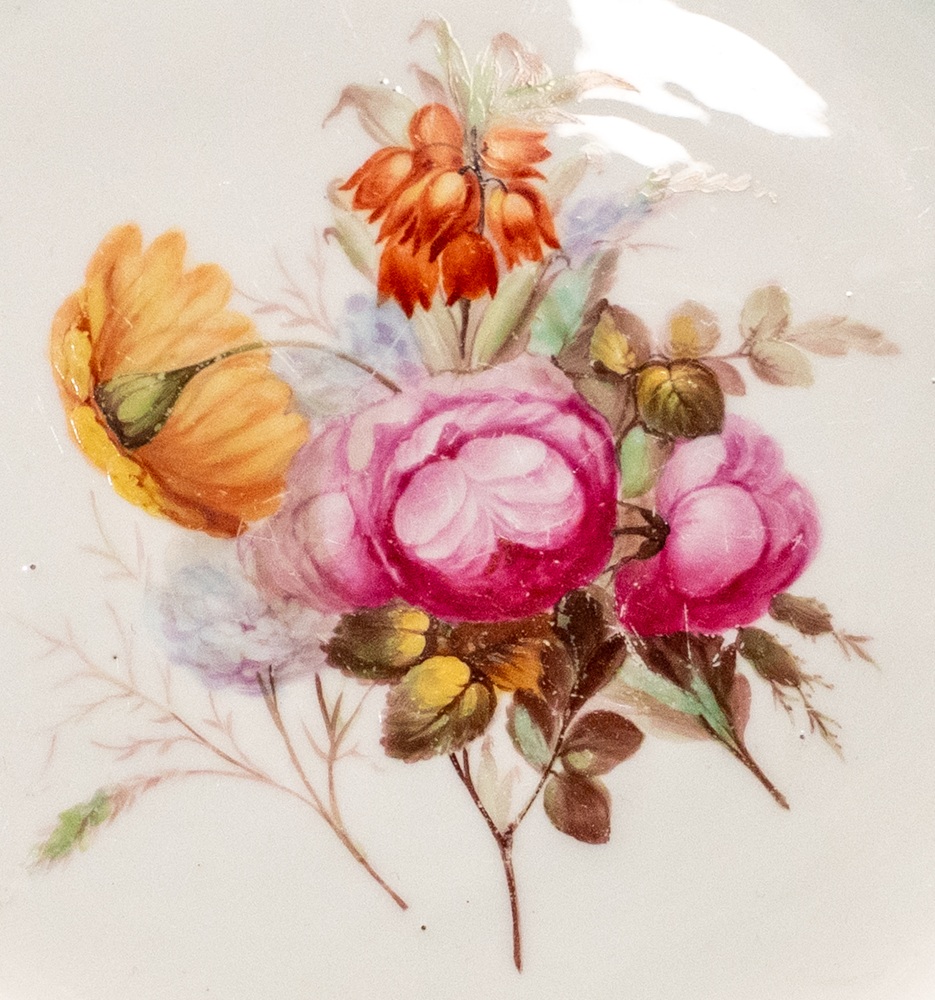
Painted flowers on a porcelain plate

Flowers by Billingsley, on a Derby Porcelain plate
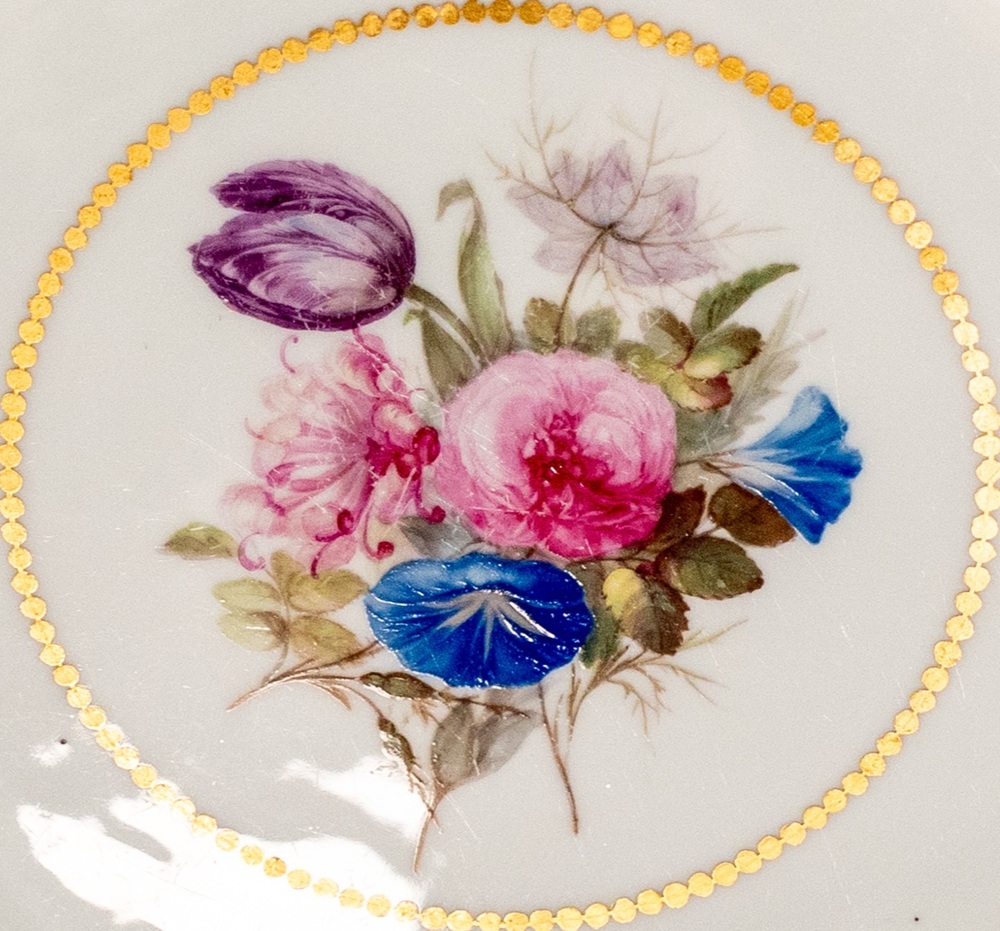
 

Painted flowers on a porcelain plate

Flowers by Billingsley, on a Derby Porcelain plate
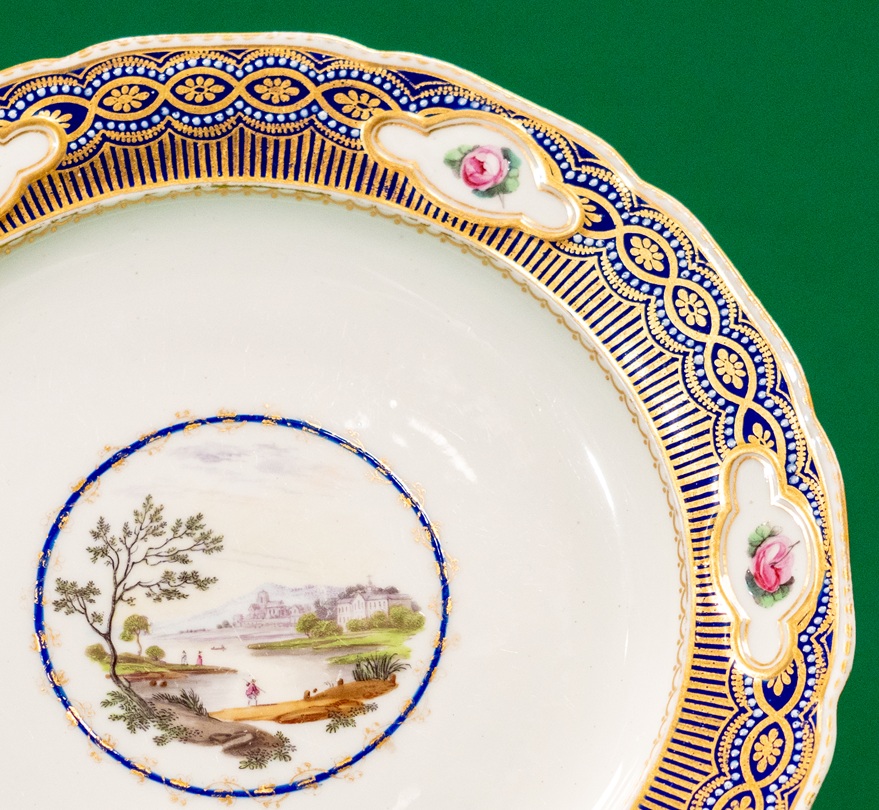
 

Detail of a plate with floral and landscape decoration

A Derby porcelain plate, with a landscape by Boreman and gilding and flowers by Billingsley


While at Derby, Billingsley sometimes worked with another renowned painter, Zachariah Boreman. Boreman was known for his landscape paintings. As well as decoration, both Billingsley and Boreman were interested in how the porcelain was made. They did experiments to try to make better china.

During this period of his life, William’s personal circumstances also altered. He married Sarah Rigley in 1780 and they had three children: Sarah in 1783, James in 1785, and Lavina in 1795. Sadly, James died in infancy, but Billingsley’s daughters thrived.

In 1796, at 38 years old, William left Derby. He moved to Pinxton, on the Nottinghamshire border, to start a new business in partnership with John Coke of Brookhill Hall. The Pinxton factory made high quality, beautiful porcelain but was not very profitable. It eventually closed in 1813, although Billingsley had already moved on by then.
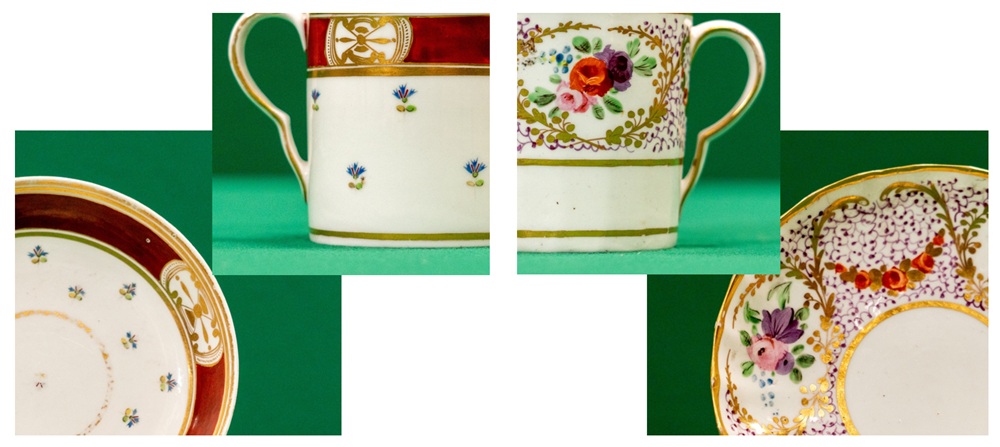
Details of two coffee cans and matching saucers

Pinxton porcelain coffee cans and saucers, decorated by Billingsley
-

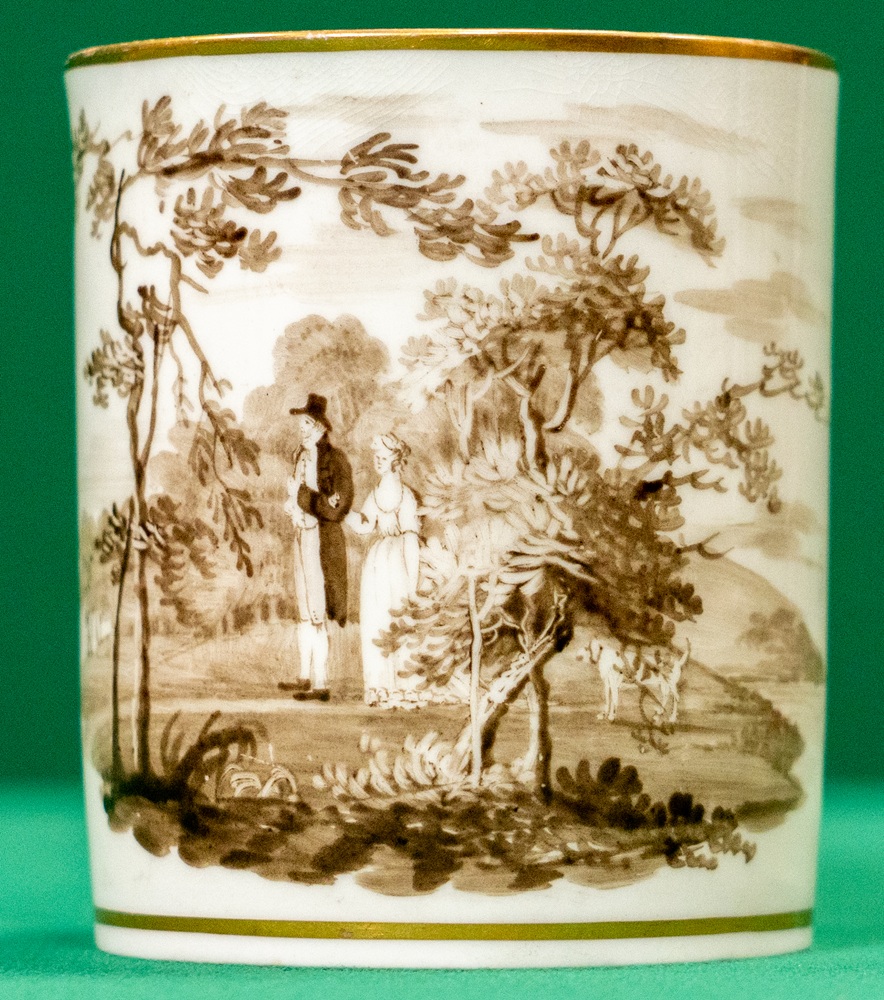
A porcelain cup with a man and woman walking in a wood

A Pinxton porcelain tankard with a landscape by Billingsley. The two figures are said to be John Coke and his wife.
-

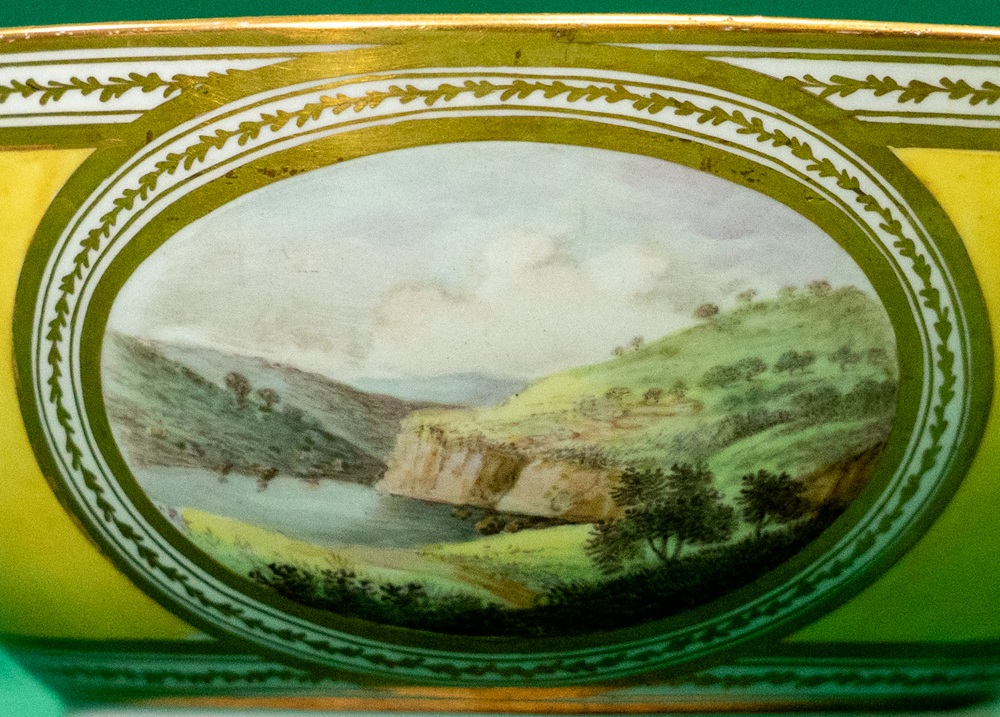
In 1799, at 41 years old, William Billingsley moved to Mansfield with his family. They lived in Belvedere Street. At Mansfield, William was running his own business for the first time. He didn’t have the facility to make porcelain here, so instead he purchased items from other manufacturers then decorated them to sell. Billingsley’s pieces from Mansfield are often elaborately gilded, as well as painted with landscapes, animals, classical figures, and fruit, in addition to the flowers for which he was already famous.

A landscape painted on a porcelain bowl

Detail of a slop bowl decorated by Billingsley while working at Mansfield
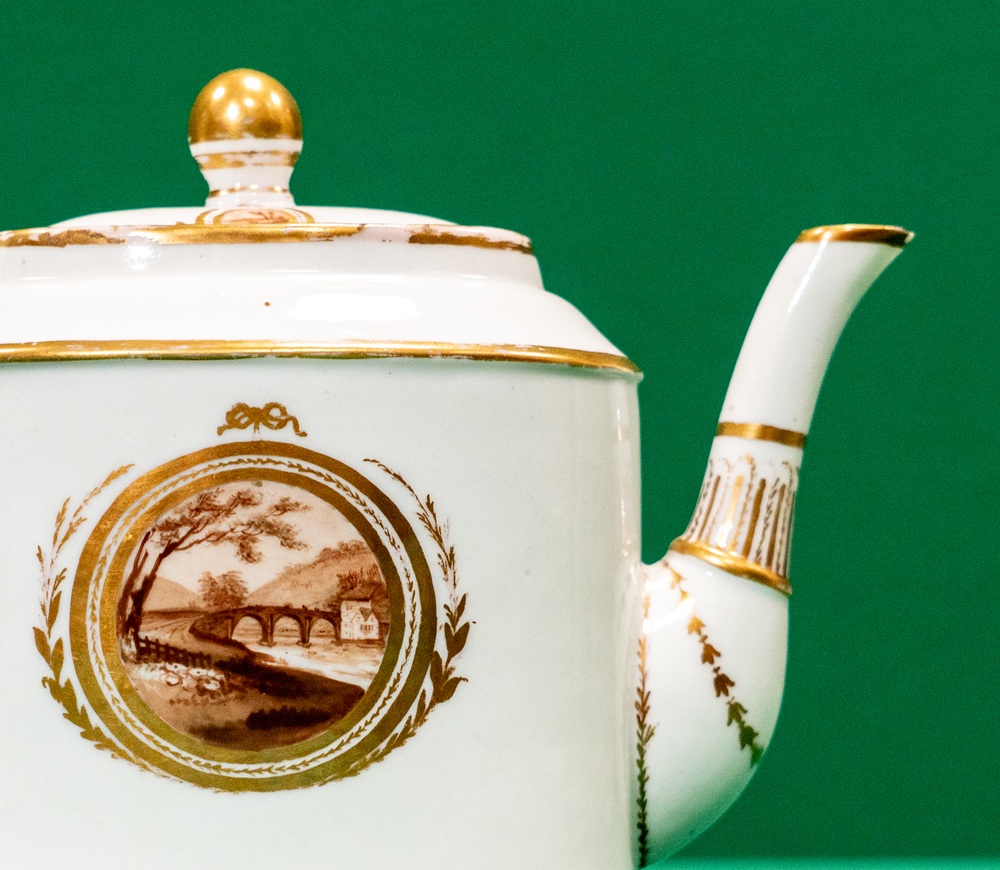
 

In 1802, now aged 44, Billingsley moved on again, this time to Brampton-in-Torksey, Lincolnshire. His daughters Sarah and Lavina came with him, but he separated from his wife at this time, and she moved back to her family in Derby. At Torksey, William was able to start making china again, as well as decorating it. He got investment from a man named Henry Bankes to open this new factory, but it was not successful and quickly closed.

Billingsley returned to decorating porcelain made by others, while looking for his next opportunity. He unsuccessfully visited both Bristol and Swansea to look for work.

Detail of a painted and gilded teapot

Teapot decorated by Billingsley, probably at the Torksey works
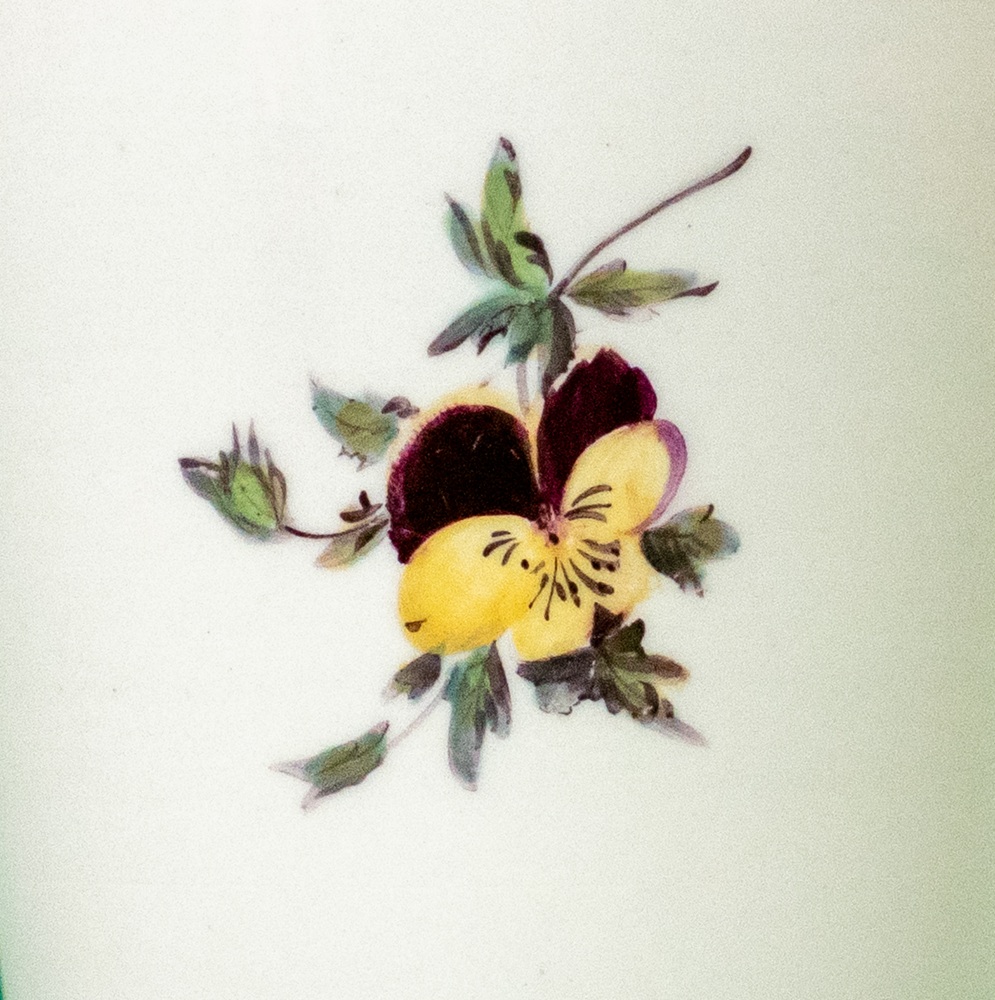
Detail of a pansy painted on porcelain

A pansy sprig by Billingsley, on a beaker of Worcester porcelain
 

In 1808, at 50 years old, William was taken on by Barr, Flight and Barr at the Royal Worcester Porcelain Works. He continued to do some decoration, but his time at Worcester was mostly focused on improving the porcelain being produced there.

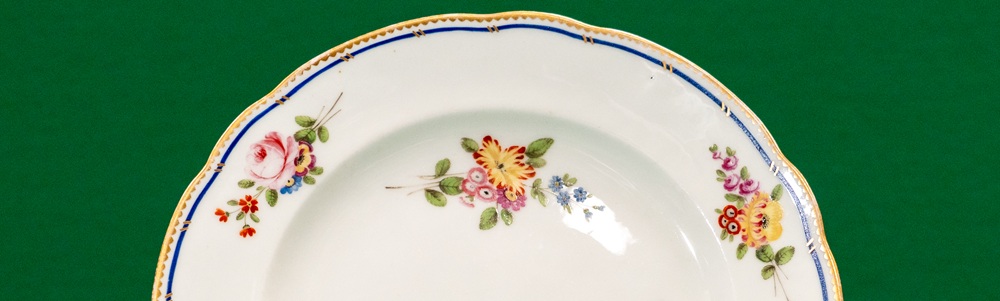
In 1813, now aged 55, Billingsley suddenly moved to Nantgarw in South Wales. He also briefly started using the surname Beeley, which may have been an attempt to be inconspicuous; it has been suggested that he was fleeing some debts. In Nantgarw, William set up a china factory with his son-in-law Samuel Walker. The factory made very high quality porcelain but William didn’t do much decorating while he was there. He quickly moved on again.

Detail of a plate from, decorated with sprigs of flower

A porcelain plate from Nantgarw factory, decorated by Billingsley

In 1814, at age 56, Billingsley started working at the Cambrian Pottery in Swansea. As he had in Worcester, William focused much of his time in Swansea on improving the porcelain produced there, rather than decorating it.

In 1817, at age 59, Billingsley moved back to Nantgarw and re-started the factory there. Two years later the Nantgarw works were bought by John Rose, who also owned the Coalport China Works in Shropshire.
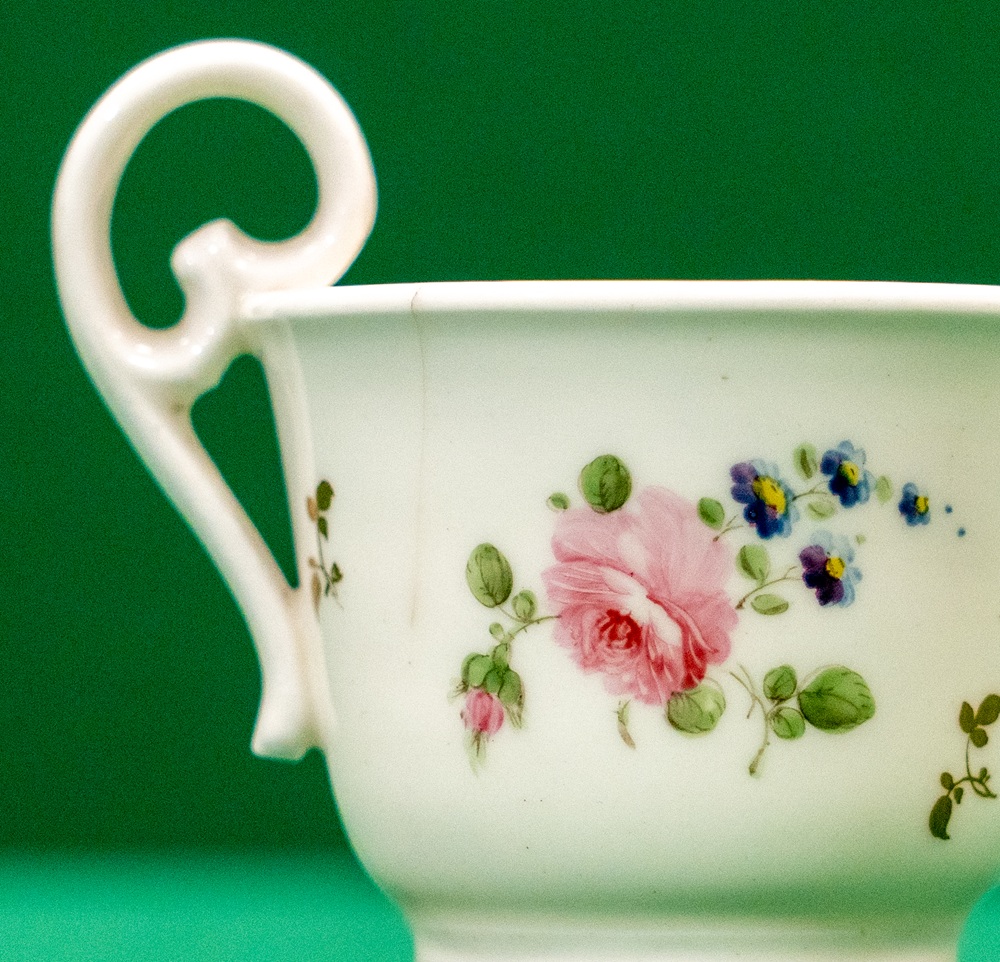
A porcelain coffee cup with an elaborate curly handle and floral decoration

A Nantgarw coffee can with floral decoration by Billingsley
 

In 1820, now aged 62, Billingsley moved from Wales to John Rose’s other factory, in Coalport. There are very few examples of Coalport porcelain decorated by Billingsley, so it seems that his role there was mostly advisory. Coalport was his last home, and he died there in 1828, aged 70.

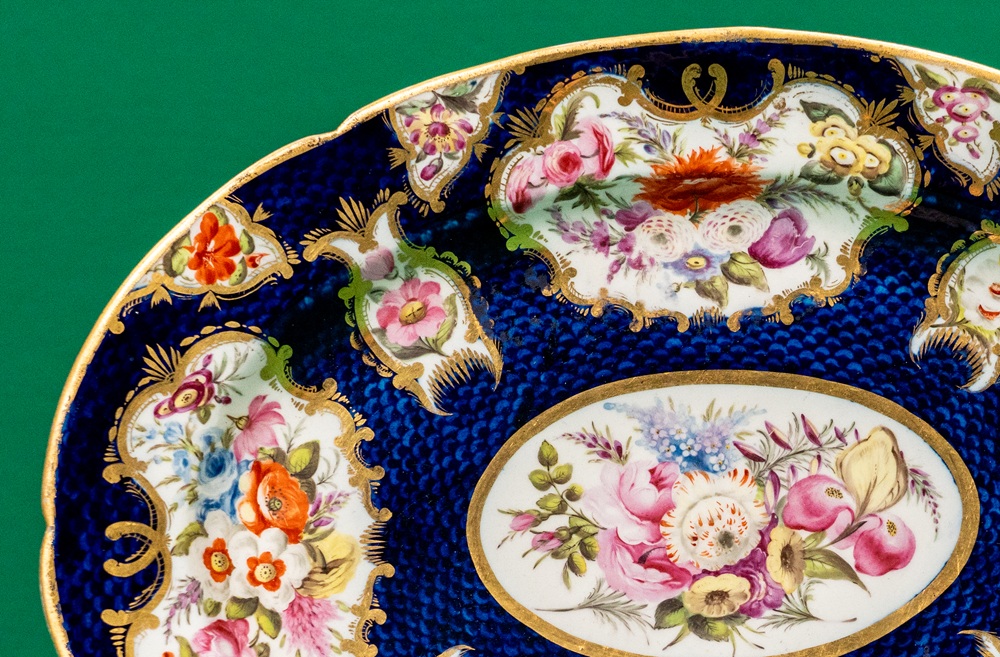
Detail of a porcelain platter decorated with panels of flowers on a blue background

Billingsley's connection with Coalport started long before he moved there. This platter was made by the Coalport factory, but bought and decorated by Billingsley while he was working in Mansfield

Mansfield Museum holds an important collection of porcelain decorated by William Billingsley.

You can see more of these items in our online gallery: click here to explore